Crane Loading & Advanced Rigging
The Physics of the Heavy Lift
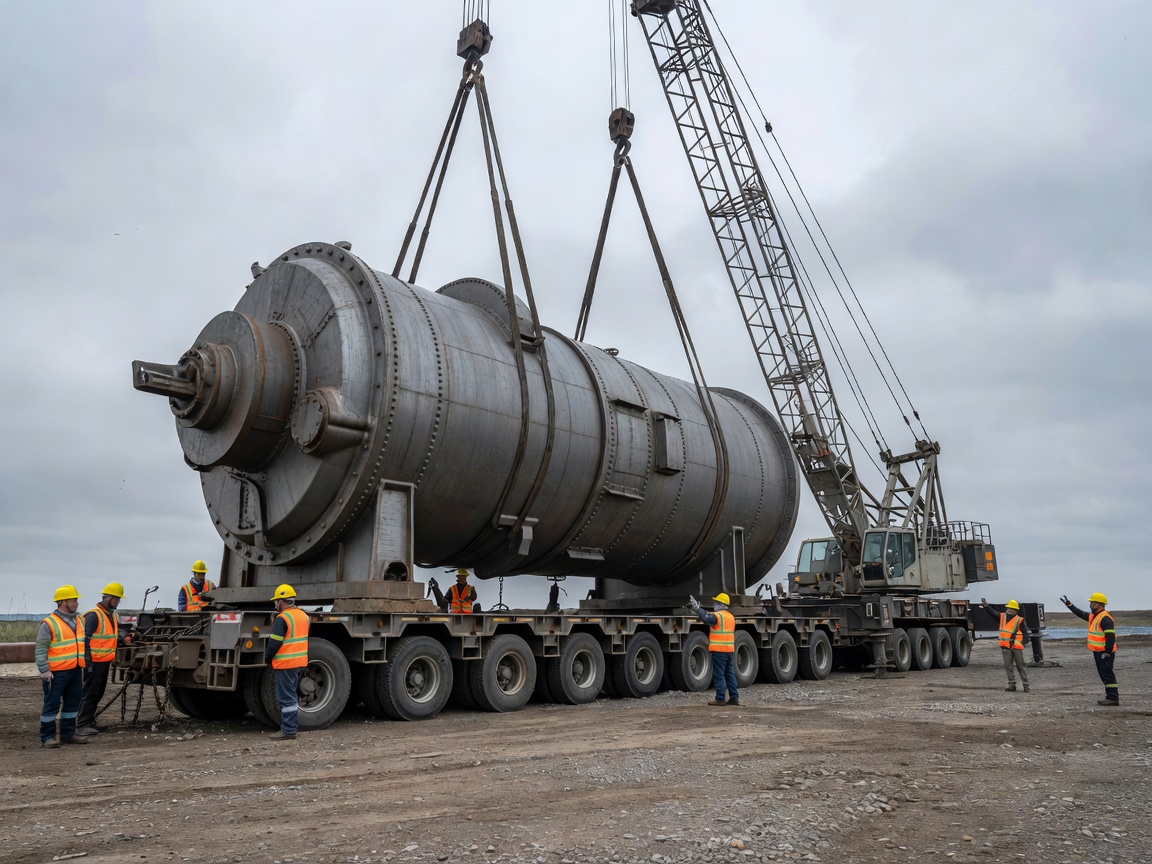
Before a heavy haul transport can begin, the cargo must safely transition from the ground (or factory floor) to the transport platform. Loading and unloading super-heavy, dimensionally awkward cargo is a high-risk operation that requires profound expertise in physics, structural engineering, and heavy machinery. A single mistake during a lift can result in millions of dollars in equipment damage, catastrophic project delays, and severe safety hazards.
At Poppiowonderfl Transport Ltd., our crane and rigging operations are seamlessly integrated with our transport services. By managing the lift and the haul under a single logistical umbrella, we eliminate the communication gaps between third-party crane operators and transport drivers, ensuring flawless execution from initial pick to final placement.
Developing the Lift Plan
Every major crane operation begins with a formalized, highly detailed Lift Plan. This document is engineered by certified lifting specialists who calculate every variable of the operation. Key components of a lift plan include:
- Load Weight and Center of Gravity (CoG): Ascertaining the exact weight and the precise 3D center of gravity is paramount. If the lifting hook is not positioned exactly over the CoG, the load will tilt violently as soon as it leaves the ground, potentially overloading a single sling and causing a drop.
- Ground Bearing Pressure: Heavy mobile cranes exert immense downward pressure through their outriggers. Engineers must calculate the soil stability or concrete strength at the lift site. If the ground is too soft, massive steel or timber crane mats must be laid down to disperse the pressure and prevent the crane from sinking and overturning.
- Wind Speed and Weather: Cranes operating at height are highly susceptible to wind shear. Large surface-area loads act like sails. Lift plans strictly dictate the maximum allowable wind speed for the operation; if limits are exceeded, the lift is scrubbed until weather improves.
Types of Heavy Lift Cranes
The choice of crane depends heavily on the weight of the load, the radius of the lift (how far away the load is from the crane's center), and site accessibility.
Mobile Hydraulic Cranes: Excellent for rapid deployment, these cranes can drive onto a site, extend their outriggers, and perform heavy lifts with telescopic booms. They are ideal for tight spaces and quick turnaround times but have limits on total lifting capacity at long radiuses.
Crawler Cranes: For the absolute heaviest loads, lattice-boom crawler cranes are utilized. Mounted on tank-like tracks rather than wheels, these behemoths distribute their weight exceptionally well, allowing them to lift hundreds of tons and slowly "crawl" with the suspended load. They require significant time to assemble on-site but offer unmatched lifting power.
Rigging Hardware and Below-the-Hook Engineering
The crane itself is only half the equation; the hardware connecting the crane to the load—the rigging—is equally critical. Industrial rigging utilizes specialized equipment designed to handle immense tensile forces.
Spreader Bars and Lifting Beams: When lifting long or fragile loads, cables pulling upward at an angle can exert crushing compressive forces on the cargo. Spreader bars are used to keep the lifting slings perfectly vertical, taking the compressive strain off the payload and ensuring a safe, level lift.
Slings and Shackles: Depending on the load's material and lifting points, riggers will use heavy-duty wire rope slings, synthetic round slings (for loads that cannot be scratched), or massive chain slings. Each piece of hardware is meticulously inspected for micro-fractures, wear, and compliance with strict Safe Working Load (SWL) limits before every operation.
Rigging Hardware Overview
| Hardware Type | Primary Application | Key Benefit |
|---|---|---|
| Wire Rope Slings | General heavy lifting and durable rugged environments. | High strength-to-weight ratio and heat resistance. |
| Synthetic Round Slings | Lifting finished machinery, painted surfaces, or fragile components. | Soft, flexible, and will not gouge or scratch the payload. |
| Spreader Beams | Lifting elongated loads like pipes, turbine blades, or modular homes. | Prevents crushing forces by keeping drop-slings vertical. |
| Bow Shackles | Connecting multiple slings or hardware points to the crane hook. | Allows for secure multi-directional loading angles. |
Conclusion
Heavy lifting is a science of precision, tension, and balance. The safe loading and unloading of multi-million-dollar industrial assets requires rigorous planning, flawless rigging, and top-tier machinery. By providing comprehensive crane and rigging services, Poppiowonderfl Transport Ltd. guarantees that our clients' cargo is handled with absolute safety and engineering excellence at every vertical and horizontal stage of the journey.