Advanced Route Planning & Logistics
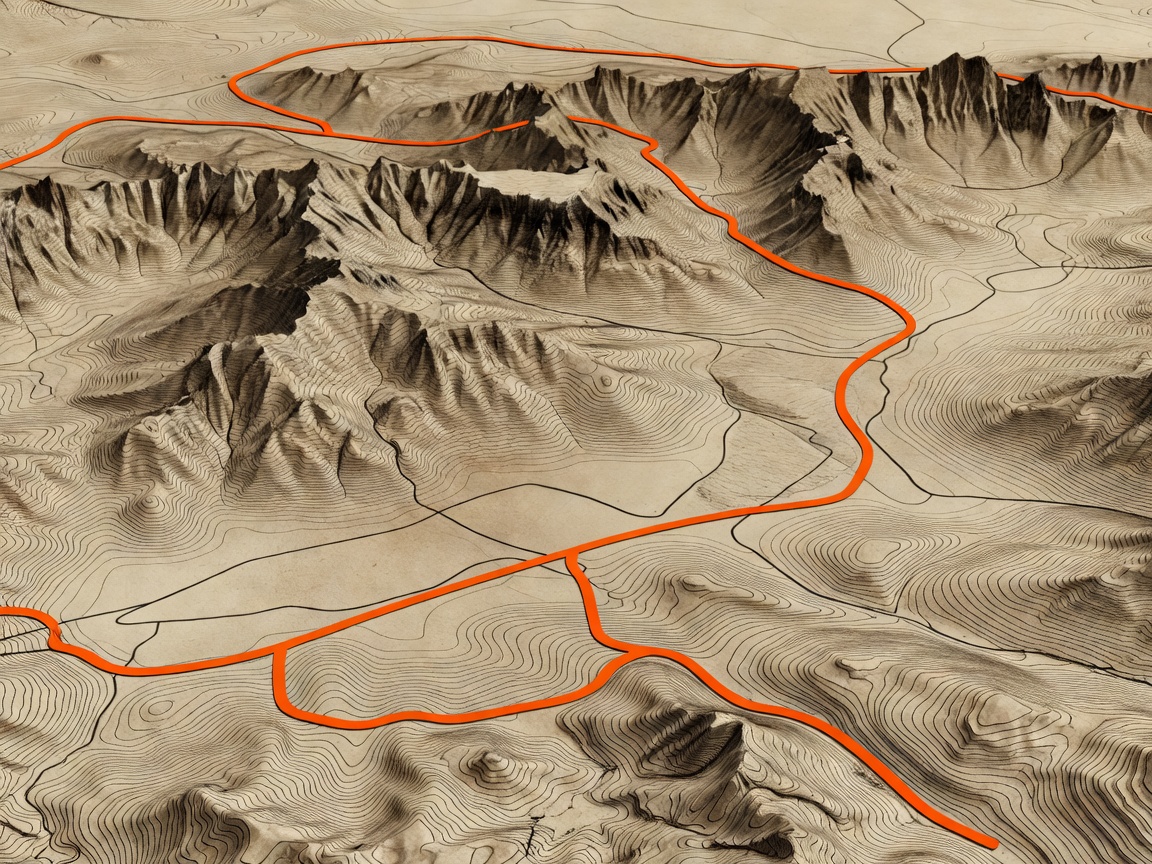
The Foundation of Heavy-Haul Transport
Moving a standard freight trailer from point A to point B relies on standard GPS and an understanding of general road networks. Moving a 200-ton industrial transformer or a 150-foot wind turbine blade, however, is a significantly more complex proposition. Advanced route planning and logistics for oversized and heavy-haul transport is arguably the most critical phase of the entire operation. It is an engineering discipline that requires meticulous surveying, structural analysis, and an intimate understanding of infrastructure capabilities.
At Poppiowonderfl Transport Ltd., we view route planning as an exercise in risk mitigation and feasibility engineering. A single overlooked bridge weight limit, a sharp turning radius, or a low-hanging power line can halt a multi-million-dollar transport operation, causing massive delays, financial penalties, and significant safety hazards.
Surveying the Route: Topography and Infrastructure
The core of heavy-haul route planning is the physical route survey. This is far beyond consulting digital maps; it requires specialized teams to drive the proposed path and measure structural clearances manually. We assess the route for several critical factors:
- Bridge and Overpass Capacities: Every bridge has a defined weight tolerance. Heavy haulers must spread their load over multiple axles to meet the pounds-per-square-inch (PSI) limits of the bridge deck. Structural engineers often need to be consulted to verify that older infrastructure can handle a superload.
- Vertical Clearances: Bridges, overhead signs, and power lines present constant hazards. While standard clearance is generally around 13 feet 6 inches, oversized loads can easily exceed 15 or 16 feet in height. In some cases, power companies must be contracted to physically lift or drop high-voltage lines ahead of the convoy.
- Turning Radii and Intersections: Lengthy payloads like modular building sections or wind turbine blades require massive turning arcs. Surveyors must calculate "sweep paths" to ensure the load can navigate corners without clipping traffic lights, curbs, or nearby buildings.
Temporary Infrastructure Modifications
When the standard infrastructure cannot accommodate a load, temporary modifications must be made. This is a standard part of the logistical planning phase and heavily impacts both the timeline and cost of the move.
Common modifications include the temporary removal of street furniture—such as stop signs, pedestrian islands, and guardrails. For extreme superloads, it may be necessary to lay down temporary steel plating or "jumper bridges" to protect underground utilities or fragile culverts from the sheer downward pressure of the transport vehicle. Furthermore, grading unpaved sections of road or temporarily filling in ditches may be required to widen the turning area for long trailers.
Weather, Seasons, and Curfews
Logistics planning must also factor in the environment. Heavy haul operations are highly sensitive to weather conditions. High winds can turn large-surface-area loads into sails, creating severe rollover risks. Ice and snow severely degrade the traction necessary to pull hundreds of tons.
Additionally, municipalities and state transport departments enforce strict travel curfews on oversized loads. Most jurisdictions forbid heavy hauling during peak rush hours, over holiday weekends, or at night (to ensure visibility). In northern regions, seasonal "frost laws" or "spring thaw limits" may completely restrict heavy transport on certain roads to prevent destroying the pavement while the ground beneath it thaws and softens. Planners must schedule the transit to strictly align with these legal windows, often requiring the convoy to pull into designated safe havens for hours or days at a time.
Cost Factors in Route Logistics
The cost of route planning and execution scales exponentially with the dimensions and weight of the load. Below is a general overview of the primary cost drivers in route logistics.
| Cost Factor | Description | Impact on Budget |
|---|---|---|
| Engineering Surveys | Structural analysis of bridges and roads by certified civil engineers. | High; required for most loads over 200,000 lbs. |
| Utility Adjustments | Fees paid to utility companies to raise, lower, or disconnect power/telecom lines. | Moderate to High; depends on the route's urban density. |
| Police and Escorts | Mandatory civilian and law enforcement escorts for traffic control. | Moderate; charged hourly or per mile per vehicle. |
| Infrastructure Alterations | Removing and replacing signs, guardrails, or building temporary bridge jumpers. | Very High; involves secondary construction contractors. |
Conclusion
The success of a heavy-haul project is determined long before the truck ever fires its engine. Comprehensive route planning and logistical foresight are what transform an impossible logistical nightmare into a precisely executed operation. At Poppiowonderfl Transport Ltd., our engineering-first approach ensures that every route is scrutinized, every hazard is mitigated, and every load is delivered with structural integrity intact.